
Writing a Christmas Ghost Story: A Seasonal Prompt Guide
A guide to writing festive ghost stories, with conventions of the Victorian tradition and prompts for both...

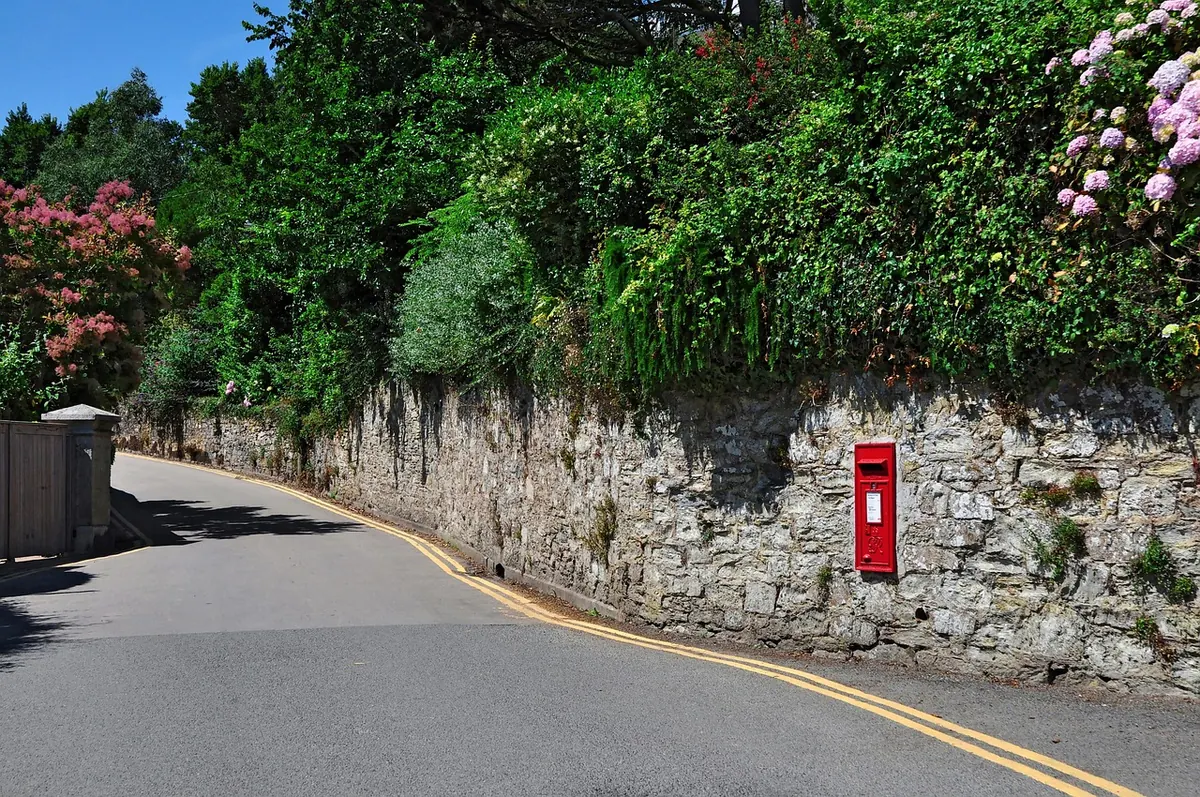
A reader will forgive a lot. They will forgive a plot that limps through chapter nine, a character who forgets her own birthday, even a villain with a shaky motive. What they will not forgive is a British setting assembled from a tourist brochure and half-remembered television. Authenticity here has little to do with landmarks. It lives in the small, stubborn, unglamorous detail: the wet bench, the last bus, the name of the road behind the retail park.
Get those right and the reader stops noticing you are building a world at all. Here is a working checklist.
British weather is rarely dramatic. It is a persistent low-level inconvenience, and that changes how people behave. Drizzle soaks through a coat in ten minutes. Wind funnels across a supermarket car park and takes the car doors with it. A bright April afternoon can turn to sleet before the bus arrives.
Use weather as a constraint rather than decoration. A character cycling to work in the rain makes decisions: which route avoids the flooded underpass, whether to risk going without a coat, whether to leave the bike chained up overnight. Light matters too — dark by half four in December, still light at ten in the far north in June.
Remember as well that weather is small talk. It fills silences, and it is often used to avoid one. Someone who talks about the forecast at length is usually not saying the thing they mean.
UK place names carry history in their syllables. Old English endings — -ton, -ham, -ford, -ley, -wick — sit across most of England. Norse endings cluster in the east and north: -by, -thorpe, -thwaite. Welsh names lean on Llan-, Aber- and Pen-; Scottish on Kil-, Auch- and Inver-; Cornish on Tre- and Pol-. A village in Devon called Thorpe will read as a mistake to anyone who knows the county.
Streets are just as revealing. Almost every town has a High Street, a Station Road, a Victoria Road, a Mill Lane, an Orchard Close. New-build estates reach for nature: Kingfisher Way, Brambling Close, Meadow Rise. Pubs repeat themselves for good reason — The Crown, The Red Lion, The Ship, The Railway, The White Hart. These are not clichés so much as infrastructure. A reader recognises them instantly and settles in.
Two warnings. Place names are duplicated all over the country, so anchor yours to a county or a nearby town. And if you borrow a real name, know roughly what sits around it: the river, the bypass, the nearest station.
Phonetic dialect is a trap. Spell every dropped letter and the page becomes a performance, and the character becomes a joke. Work instead with rhythm, vocabulary and understatement.
Pick a handful of markers and stay consistent. A few that do a lot of work: nowt for nothing, mardy for sulky, bairn for child, wee for small, aye for yes. Word choice shifts by region too, and it is worth checking rather than guessing.
The same object is a sofa to one character and a settee to another; a living room, a lounge or a front room. Those words are class signals, and British readers hear them instantly. Use that.
"It's not ideal," she said, which meant the roof was coming in.
Understatement is the national grammar of crisis. British dialogue often does the opposite of declaring feelings, which is precisely where the tension lives.
Routines pin a setting down faster than any description. Many rural buses run once an hour and stop entirely by early evening. The school run empties a street between half eight and nine. Bin day is fortnightly, the wrong bin is a genuine social failing, and everyone knows which neighbour forgot. The corner shop shuts at half five. The post arrives before lunch. The pub garden fills at the first warm Friday of the year.
Ask yourself, for every scene:
Sunday roast, the walk afterwards, the garden centre on a wet afternoon, the takeaway on a Friday — none of it is plot, and all of it is grounding.
Housing tells the reader the postcode before you name it. A Victorian terrace with a back yard and a shared alley. A 1930s bay-fronted semi with pebbledash and a garage that has never held a car. A 1960s bungalow with a neat front lawn. A modern estate where the roads are named after birds and every fence is exactly the same height. Gardens back directly onto other gardens, which is why sheds, trampolines and the politics of the fence matter so much.
Then the in-between places: the ginnel behind the terrace, the canal towpath, the footpath across a field with a stile and a sign that has been there since the seventies. The retail park, the industrial estate, the war memorial, the bench with a plaque on it.
Village, market town, suburb, inner city — each has its own walking pace, its own noise at night, its own version of quiet. A character from a village will find a small city loud. A Londoner will find a market town shut.
The British year has a rhythm your story can borrow without inventing anything. School terms divide everything into half-terms and holidays, with results days in August and a summer break that makes every seaside town unbearable for six weeks. Bonfire Night on the fifth of November. Remembrance Sunday, with poppies on lapels. The Christmas lights switch-on, the pantomime, the village fete, the county show, the harvest festival.
Sport is a calendar of its own: football from August to May, the Six Nations in spring, Wimbledon in early July, cricket on the green. Even if your plot has nothing to do with any of it, one reference places the story in a month and a mood. That is a lot of work done by a single line.
Before you send anything out, read your draft once asking only about place. Nothing else. Not plot, not pacing, not whether the third act holds together.
If you are writing a region you do not know well, find someone who does and read it aloud to them. Not for permission, but for the one detail that jars. A single false note can undo a hundred accurate ones, and it is usually the smallest thing — the wrong word for a bread roll, a bus that runs too late, a street name from three counties away.
Photo: eleonora1402 / Pixabay
A guide to writing festive ghost stories, with conventions of the Victorian tradition and prompts for both...
Turn ordinary belongings into stories: a practical guide to freewriting plot, setting and character ideas...
Mist, harvest, bonfires and long evenings: seasonal writing prompts for cosy fiction, plus practical ways...