Using Everyday Objects as Story Starters
Turn ordinary belongings into stories: a practical guide to freewriting plot, setting and character ideas...

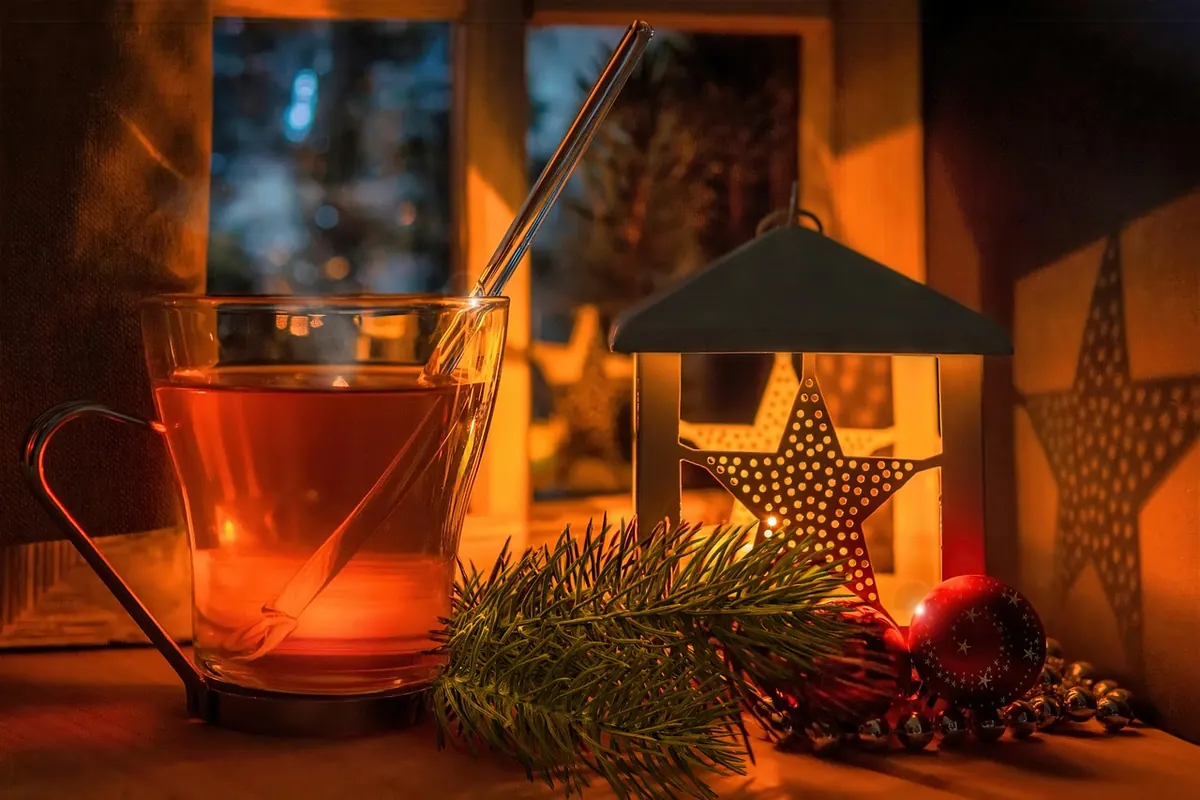
There is a particular kind of quiet that falls on a house at Christmas, after the plates are cleared and the fire has burned low. It is the perfect hour for a ghost story. The Victorians knew this well: they gathered in the dark months and told tales of the returning dead, not to frighten the children so much as to remind everyone that the year turns, and some things do not let go.
If you want to write your own, the tradition offers rich material. Below are the conventions worth knowing, some prompts to set you going, and a few practical thoughts on how to land the ending.
The link is older than Dickens, though A Christmas Carol did more than any single book to cement it. In the depths of winter, the boundary between the living and the dead has always felt thinner. Stories were told aloud, by firelight, to a captive audience. The dark outside did half the work for the storyteller.
There is also a moral dimension to the classic festive ghost story. It is rarely just about fear. The ghost usually arrives with a purpose: to correct a wrong, to warn, to settle a debt, to remind the living of something they have forgotten. That sense of purpose is what gives the tale its weight.
You do not have to follow these, but knowing them helps you decide when to break them. The classic shape goes something like this:
M.R. James built much of his reputation on this formula, and it still works because it trusts the reader. The best festive ghost stories leave gaps. They let the cold in at the last moment and then close the door.
Each Christmas, a wealthy household sets an extra place at the table for a guest who never arrives. This year, someone takes the seat. Write the story of the servant who notices first and the guest book that proves the place was never empty.
A village church bell rings at midnight on Christmas Eve, though the tower has been locked for years. A young curate decides to climb it. What he finds is not a bell-ringer, but a record of everyone who has heard the sound before him.
A widow discovers her late husband's coat hanging in the hall, dry, warm, and smelling of pipe smoke. It is Christmas Eve. She has not moved it since the day he died. Write her conversation with the person who returns to collect it.
The modern Christmas ghost story does not need carol singers and gas lamps. It needs the same pressure: a time of forced closeness, a night that feels longer than it should, and something that should not be there.
The best update is to change the setting, not the fear. Think of a video call that connects to an old family home, a delivery driver on the last shift before midnight on Christmas Eve, a flat where the heating has failed and the neighbour's decoration keeps blinking. The technology is fair game. The isolation is essential.
Where the Victorians had snow and candlelight, you have motorway service stations and empty office parties. The ghost still arrives when the character is alone and least expecting company.
Festive ghost stories live or die on their atmosphere. That means slowing down. Give the reader the cold, the smell of the room, the sound of the wind. Let the characters notice small wrongnesses before the big one arrives.
Resist the urge to explain everything. A ghost with a full backstory and a clear motive can be less frightening than one glimpsed in a reflection. The reader's imagination will build a better monster than you can describe.
Endings matter most. The Victorian model often closes with a quiet line that recontextualises the whole tale. Try writing the final paragraph first: a single image, a piece of information, a question left open. Then write towards it.
Pick one prompt above and give yourself two hours. Write the opening scene and the final paragraph. Do not worry about the middle; that can be built later. The important thing is to capture the feeling of that hour after the fire has burned low, when the house is quiet and something is not quite right.
Read it aloud when you are finished. Christmas ghost stories were made to be spoken, and the ear will tell you what needs cutting.
Photo: guvo59 / Pixabay
Turn ordinary belongings into stories: a practical guide to freewriting plot, setting and character ideas...
Mist, harvest, bonfires and long evenings: seasonal writing prompts for cosy fiction, plus practical ways...
Developmental editing fixes structure and story; line editing fixes sentences and style. Here's how to...